It is one of the most common questions we are asked when beginning a new project, and one that does not have a single right answer. Paint or wallpaper? Which is better? Which should you choose?
The honest answer is that it depends entirely on the space, the brief, and what you are trying to achieve. But as residential interior designers who have been working across Wales and the wider UK for over eight years, our thinking on this has evolved considerably, and we thought it was worth sharing how, and why.
Where we started
When we founded Wells and Maguire, wallpaper was our default. In the early years of the studio, we would propose wallpaper in our clients’ homes the majority of the time, and with good reason. The range of colours, textures, and finishes available is extraordinary, and the right wallpaper can transform a room in a way that paint simply cannot replicate.
The shimmer of a silk effect wallpaper that shifts and changes as the light moves through a room. A bold, statement print that gives a space an immediate and confident identity. A subtly textured paper, warm in tone, interesting up close, that most people would assume was paint until they touched the wall. All of these remain genuinely beautiful options, and all of them have featured in our projects over the years.
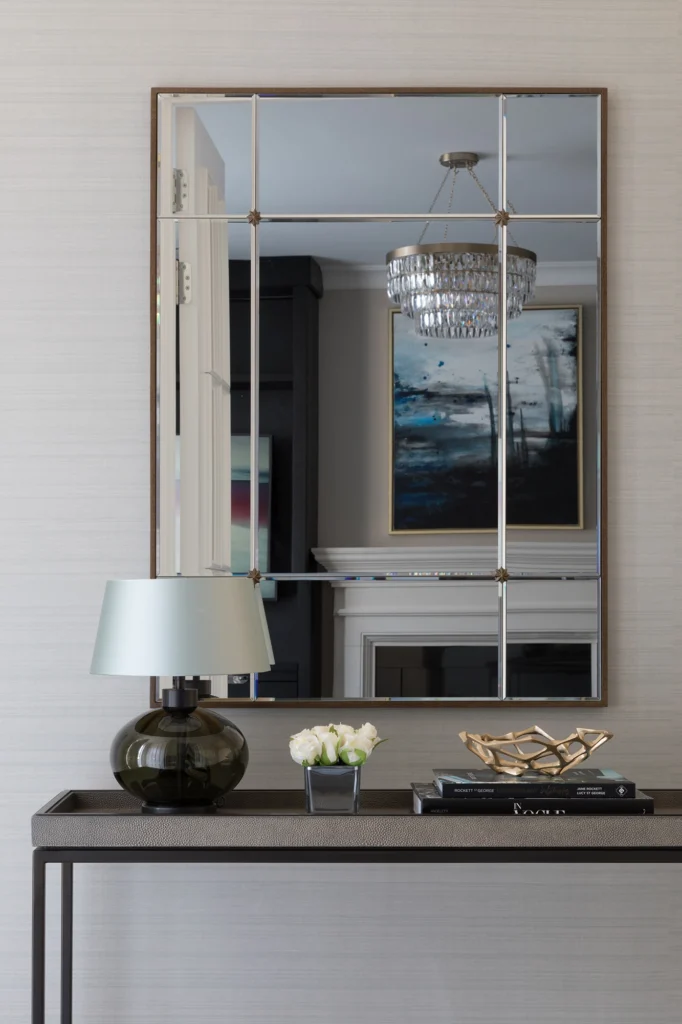
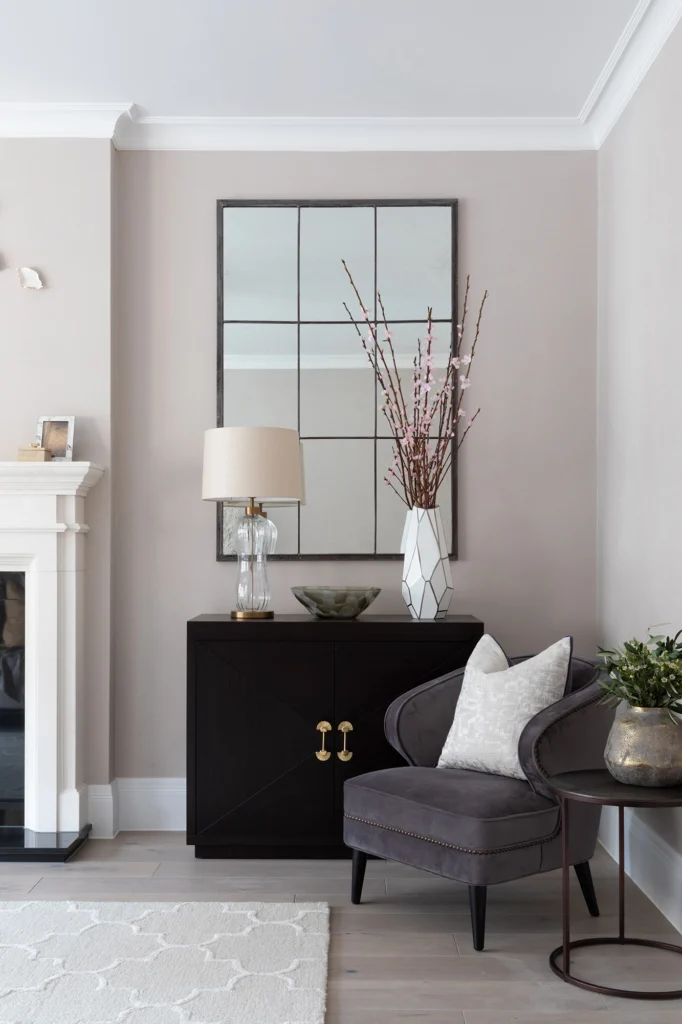
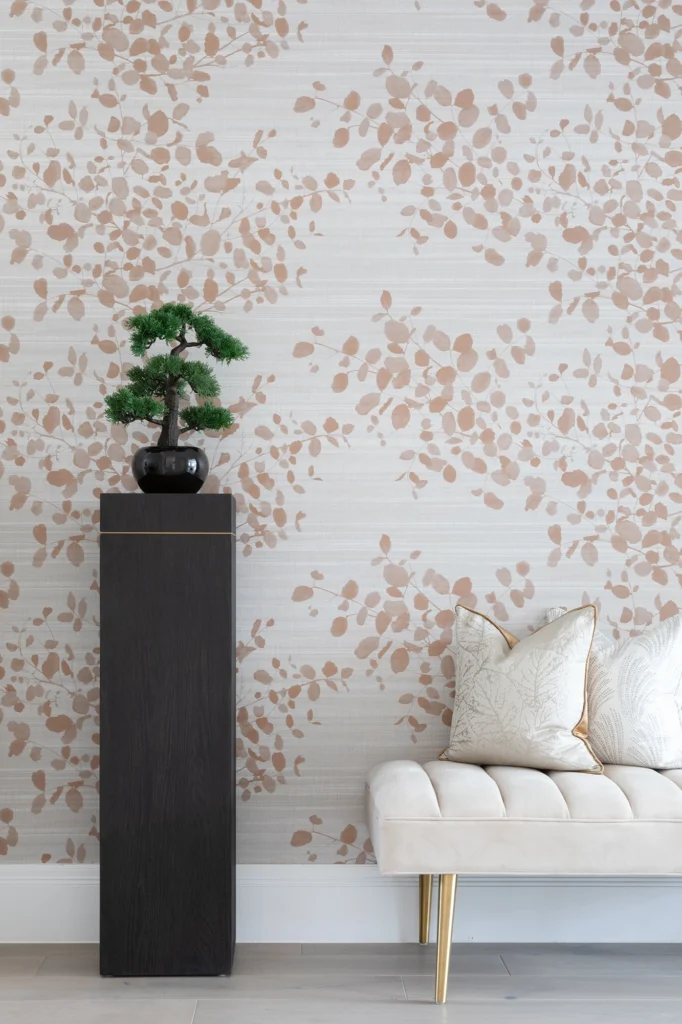
We also love the way wallpaper can be used within joinery, to the rear of open shelving or display cabinetry, where a marble effect paper adds depth and luxury to what might otherwise be a flat painted back panel. Or as a wall covering within a bespoke headboard, where a silk panel introduces a material richness and a sense of occasion that elevates the whole room.
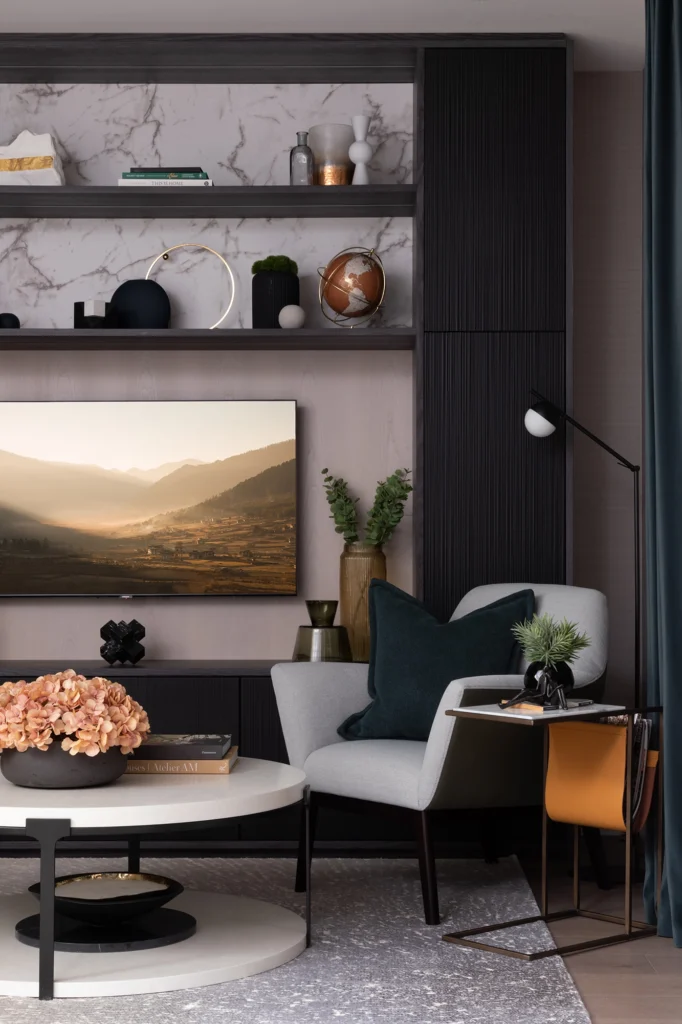
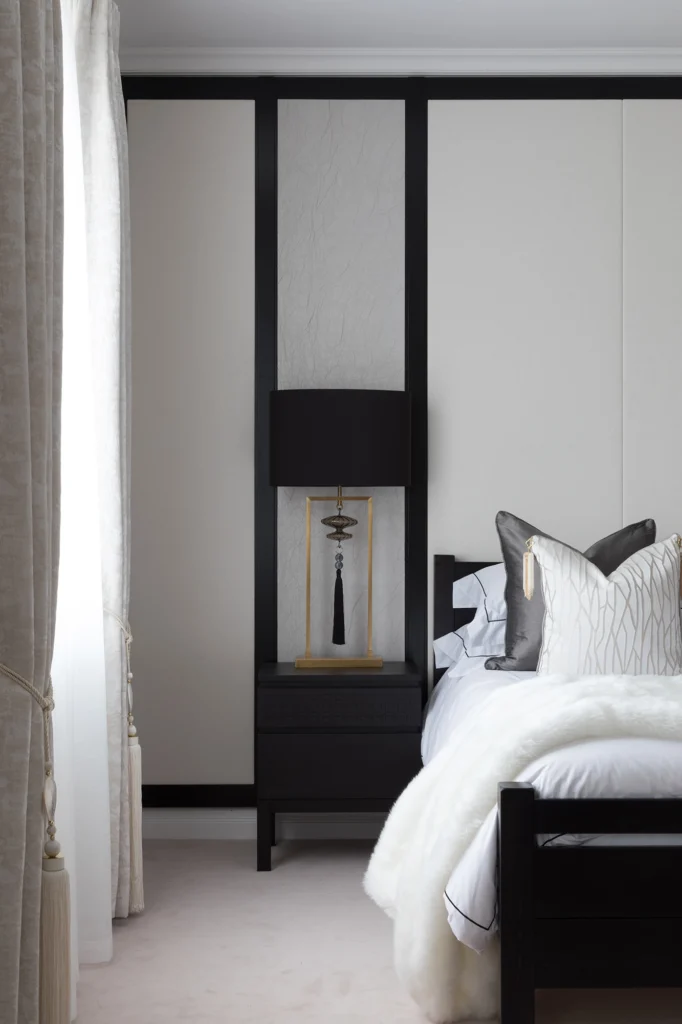
Wallpaper, when the setting is right, remains one of the most powerful tools available to an interior designer.
Why paint has taken the lead
And yet, over the past few years, our projects have leaned increasingly toward paint. Not because wallpaper has lost its appeal, it has not, but because paint, used with confidence and intention, offers a level of versatility and longevity that suits the way our clients want to live.
As residential interior designers, we are always designing for the long term. Homes that feel considered and timeless ten years from now, not just beautiful today. Paint ages differently to wallpaper, it is easier to refresh, easier to adapt as a family grows and changes, and less likely to feel of its moment in a way that eventually dates a room.
There is also something to be said for the discipline that paint requires. Without the pattern or texture of a wallpaper to do the heavy lifting, every other decision in the room, the furniture, the lighting, the materials, the soft furnishings, becomes more important. Paint creates the conditions for a truly considered interior rather than providing a shortcut to one.
How we use paint
The way we approach paint has become increasingly sophisticated as our work has evolved. It is rarely a case of simply choosing a colour and applying it uniformly to four walls, though sometimes, of course, that is exactly the right answer.
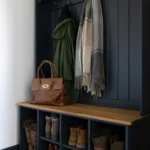
One of our favourite approaches is the combination of painted panelling with a contrasting tone above. The lower section of the wall, framed by the panelling, takes one colour, often a slightly richer, deeper tone, while the wall above breathes in something softer and lighter. The effect creates visual interest and architectural depth without requiring pattern or print, and it photographs beautifully.
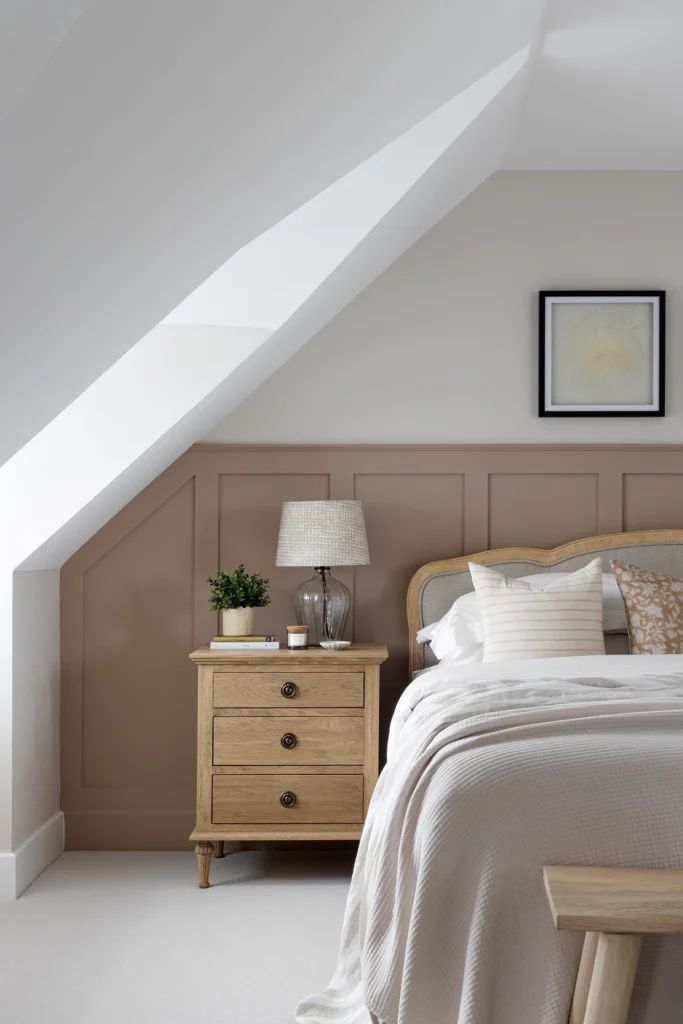
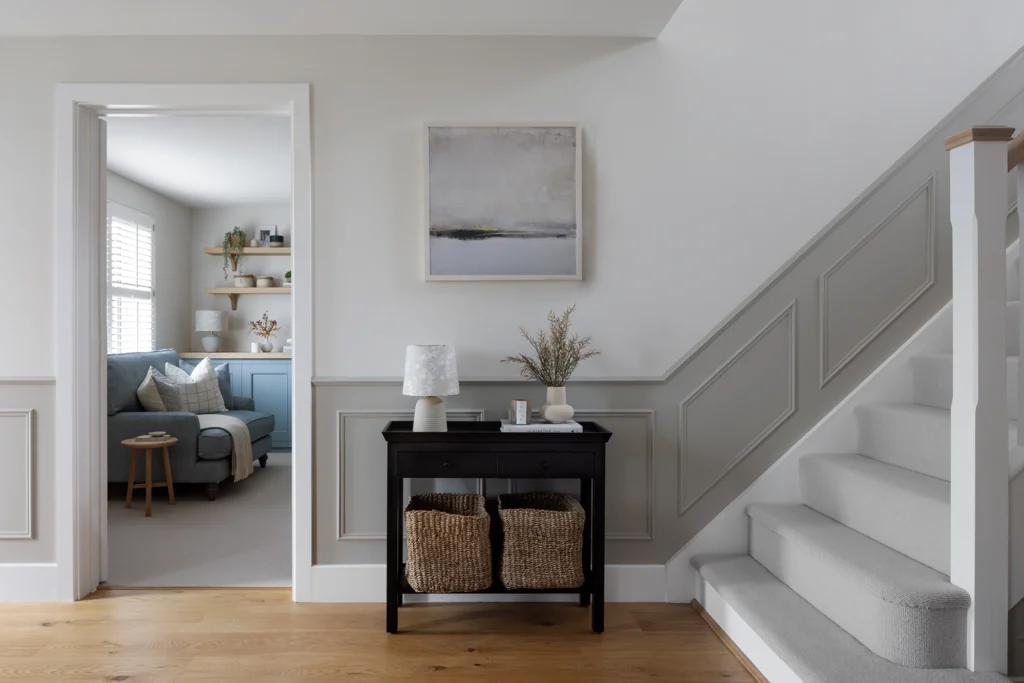
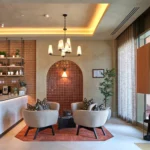
Warm colours paired with contrasting ceilings and woodwork is another approach we return to often. A warm, earthy wall tone with white or off-white woodwork and a ceiling painted in a complementary shade that is neither too light nor too dark, it adds character and a sense of envelopment that makes a room feel genuinely considered rather than simply decorated.
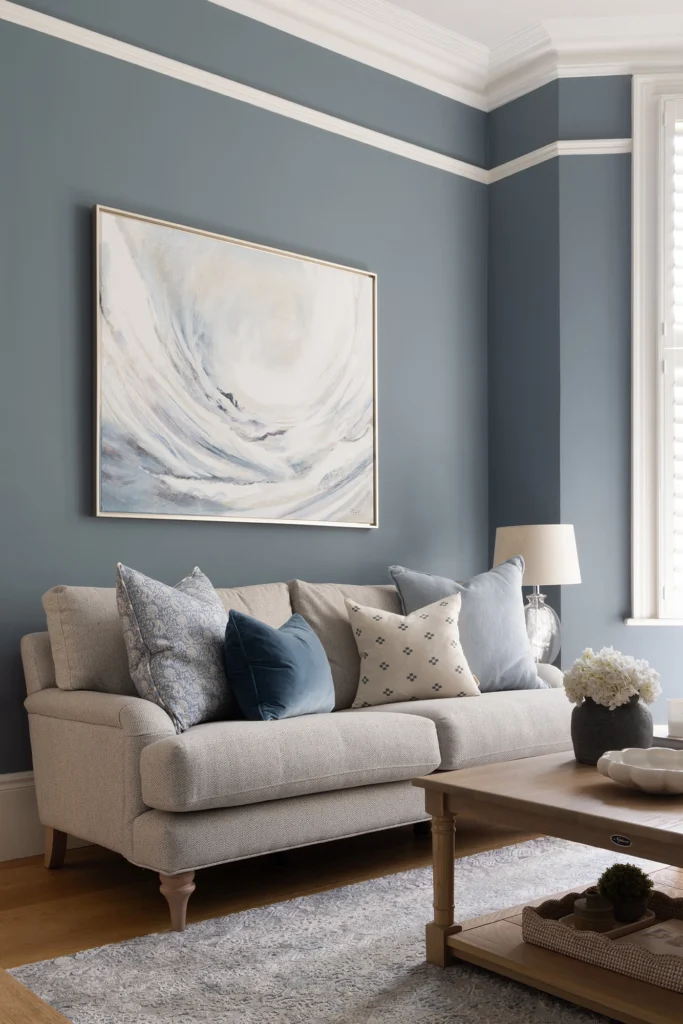
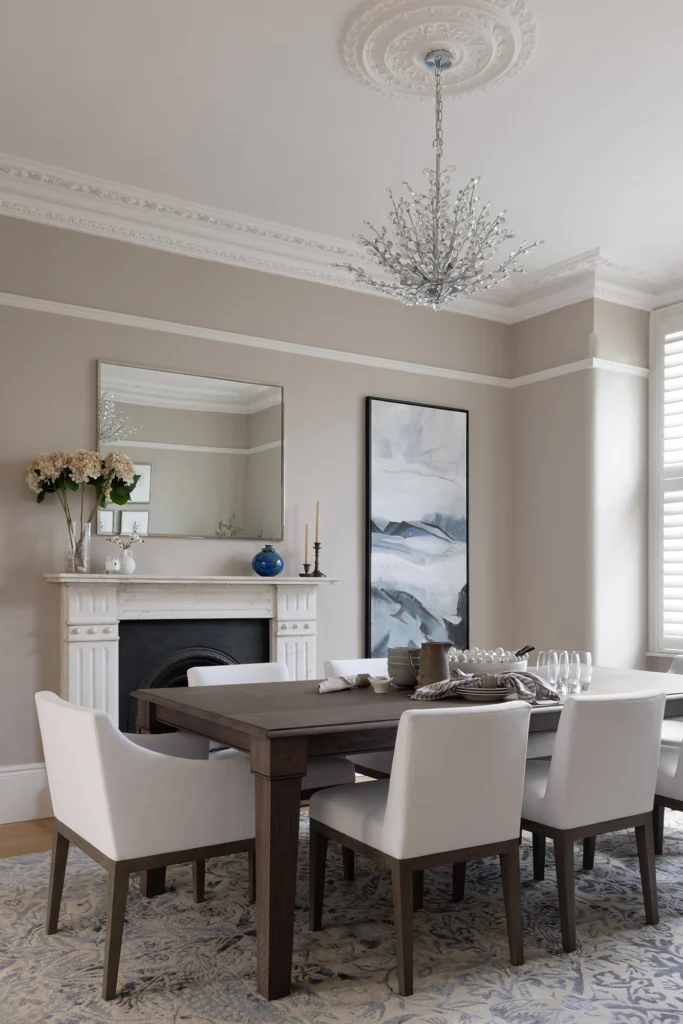
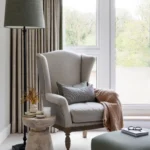
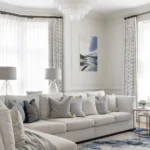
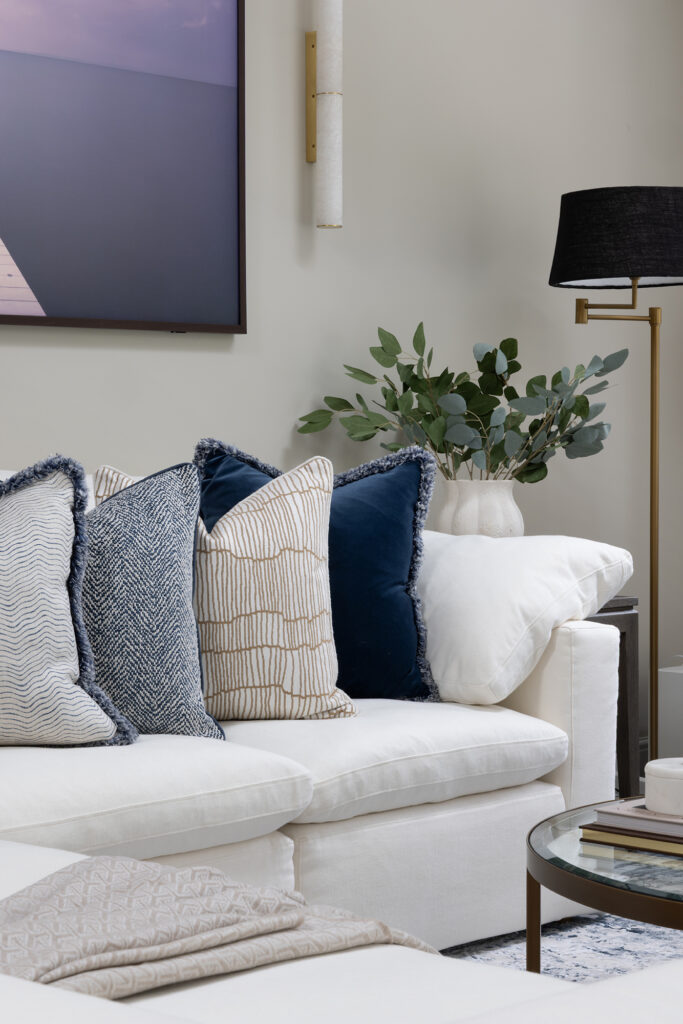
And then there are the spaces where less is emphatically more. When a room is filled with beautiful furniture, considered accessories, and carefully chosen lighting, the walls do not need to compete. In these cases, paint in a quiet, sophisticated neutral becomes the most intelligent choice, a backdrop that enhances rather than dominates, allowing the furniture and the life lived within the room to become the focus.
When we still choose wallpaper
Paint may have become our more frequent starting point, but there are settings where wallpaper remains the obvious and right answer, and we are always glad to have it in our toolkit.
Period properties, where the character and scale of the rooms lend themselves to the richness and pattern of a quality wallpaper. Bedrooms where a sense of enclosure and luxury is the goal. Studies and snugs where a bolder, more characterful wall treatment feels entirely appropriate. And always, always, within joinery, where a well chosen wallpaper to the rear of a cabinet or bookcase adds a layer of detail and craft that no paint can replicate.
The decision is never about one being better than the other. It is about understanding the space, the architecture, and the life the room needs to support, and then making the choice that serves all of those things best.
Our view
After eight and a half years of designing homes across Wales and the UK, our position is simply this, both have a place, and the best interiors often use both. What matters is not the medium but the intention behind it. A room decorated with genuine thought, whether that means a perfectly chosen paint colour or a beautifully hung wallpaper, will always feel more considered than one that has simply followed convention.
If you are currently weighing up the options for your own home and would like some guidance, we would love to hear from you. As part of our interior design services, we are always happy to talk through the decisions that shape how a home looks and feels, and this one, in our experience, is always worth getting right.
Living Made Beautiful.